What Bronx and Long Island Drivers Should Know About Getting a Car Repaired When You Need a Second Opinion on the Estimate
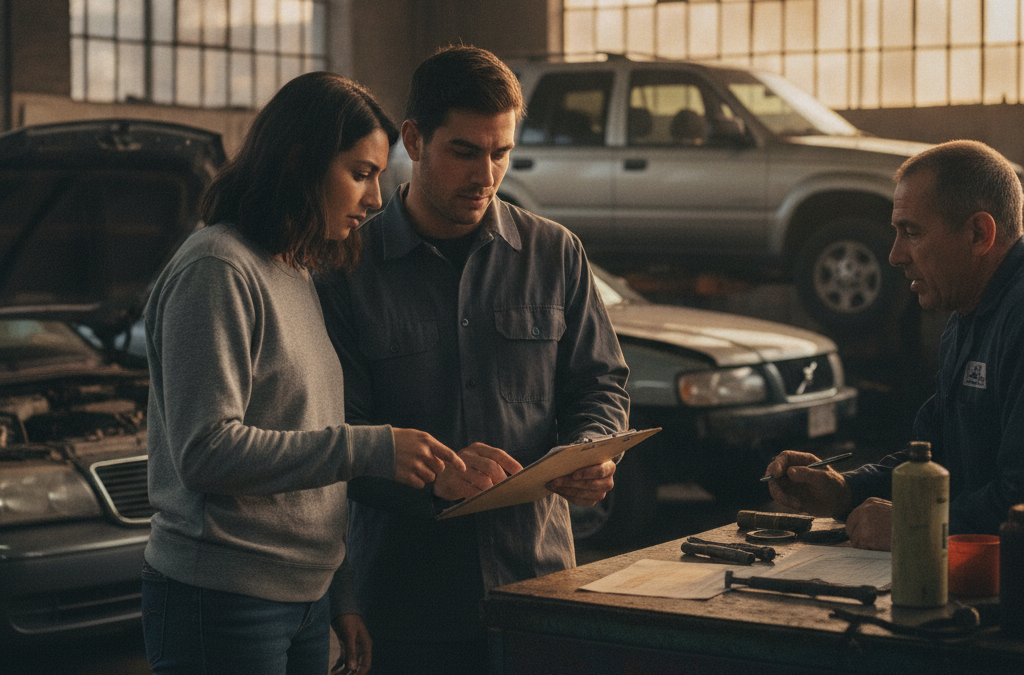
Yes — you absolutely have the right to get a second opinion on a collision repair estimate, and in many cases, it’s the smartest thing you can do before signing off on any work. Whether you were handed a number that seems suspiciously low, an estimate so vague you can’t tell what’s actually being repaired, or you’re just not confident the shop did a thorough inspection, getting a second set of eyes on that paperwork costs you nothing and could save you a lot of headaches later. At S&T Auto Body in the Bronx, we’ve been doing free itemized estimates since 1975 — and we’re happy to review another shop’s estimate and tell you honestly what we see.
Why So Many Drivers in the Bronx and Across Long Island End Up Second-Guessing Their Estimate
Collision estimates aren’t always what they appear. After an accident, you’re already dealing with stress, insurance adjusters, rental cars, and getting back to your daily routine. The last thing most people want is to slow down and scrutinize a multi-page repair document. But that document is the blueprint for one of the most expensive repairs your vehicle may ever need — and if it’s wrong, incomplete, or based on inferior parts and shortcuts, you’ll be living with the consequences long after you drive away from the shop.
In a dense, high-traffic area like the Bronx or along busy corridors like the Cross Bronx Expressway, accidents happen constantly. That volume means some shops — particularly high-throughput operations chasing insurance volume — move quickly and don’t always slow down to do thorough damage assessments. Drivers coming in from Nassau County or other parts of Long Island sometimes find themselves getting estimates at shops that are geographically convenient but not necessarily the right fit for their vehicle or the complexity of the damage.
The result? Estimates that miss hidden structural damage, underspec the parts needed, or leave ADAS calibration off the list entirely. You don’t find out until later — sometimes much later.
What a Good Collision Estimate Actually Looks Like
This is an area where most competitor shops in the area fall short when it comes to educating their customers. A legitimate, thorough estimate should be itemized line by line. That means you can see exactly which panels are being repaired versus replaced, whether the parts are OEM (original manufacturer) or aftermarket, what labor operations are included, and whether any supplemental inspections are anticipated once the vehicle is disassembled.
Here’s what to look for when you’re reviewing any estimate:
- Part type clearly labeled: Is the shop using OEM parts, aftermarket parts, or reconditioned parts? This matters for fit, finish, and your vehicle’s warranty.
- Labor hours broken out: Each operation — remove and replace, repair, blend, align — should show hours separately, not lumped into a single dollar figure.
- Structural and frame inspection noted: If you had a significant impact, the estimate should acknowledge whether frame or structural components were inspected and what the finding was.
- Paint and refinishing detail: Proper color matching and blending to adjacent panels is a real cost. If the paint line is vague, ask why.
- ADAS and calibration line items: If your vehicle has cameras, radar sensors, or lane-keeping systems near the damaged area, recalibration after repair is required. If it’s not on the estimate, that’s a red flag.
- Supplement language: Any honest shop will note that additional damage may be found once the vehicle is torn down. That’s normal. What’s not normal is a shop that promises a firm final number before they’ve even pulled the bumper off.
If you’re not sure how to read what you’ve been given, bring it to us. We’ll walk you through it, line by line, at no charge. Learn more about our collision repair process here.
What Happens When an Estimate Is Too Low — and Why That’s Not Always Good News
A low estimate can feel like a win at first. But in the collision repair business, a number that comes in significantly below what other shops are quoting usually means one of three things: the damage wasn’t fully assessed, cheaper parts are being substituted without being disclosed, or important operations like paint blending, structural inspection, or sensor calibration were quietly left off the list.
When you’re driving a Mercedes-Benz, a newer Toyota, a Hyundai with factory safety systems, or any vehicle still under manufacturer warranty, a low-ball estimate that skips OEM parts or proper procedures can void your coverage and leave you with a vehicle that looks repaired but isn’t. That’s not a deal — that’s a liability.
Our shop is certified by multiple manufacturers — including Mercedes-Benz, Subaru, Ford, GM, Volkswagen, Hyundai, Infiniti, Nissan, Chrysler, Toyota, Lexus, Alfa Romeo, Mazda, and Kia — which means we’re held to specific repair standards set by the automakers themselves. You can see our full certification list here. Those certifications require us to use the right parts, the right tools, and the right procedures — and they’re reflected honestly in what we quote you.
How to Get a Useful Second Opinion (Without Wasting Time)
You don’t have to tow your car to three different shops across Queens and Manhattan to get a reliable second opinion. Here’s a practical approach:
- Get the existing estimate in writing first. Before you leave any shop or accept an insurance-directed estimate, request a printed or emailed copy of the full itemized breakdown.
- Take photos of all visible damage — from multiple angles, including underneath and inside the trunk or hood if accessible.
- Submit to a certified shop for comparison. At S&T Auto Body, you can send us the other estimate along with your photos, and we’ll review it and give you a free comparison estimate. No obligation, no pressure.
- Ask specifically about what’s different. If our estimate is higher, ask us to explain exactly why — line by line. A shop that can’t explain the difference isn’t a shop you should trust with your car.
Drivers from Long Island — particularly those in Nassau County who may be getting estimates locally — often find it worthwhile to connect with a certified shop in the Bronx that has manufacturer credentials and I-CAR Gold Class technicians on staff. The extra step is worth it when it means your vehicle is repaired to the standard it was built to.
What I-CAR Gold Class Means and Why It Matters for Estimate Accuracy
I-CAR Gold Class is the collision repair industry’s most widely recognized training and certification standard. Shops that hold Gold Class status have technicians who are required to complete ongoing training every year — not just a one-time credential. What that means practically is that a Gold Class technician knows what should be on an estimate for your specific vehicle because they’ve been trained on the procedures that vehicle manufacturer requires.
When a non-certified technician writes an estimate, they may genuinely not know that your Subaru requires a specific weld procedure after a rear impact, or that your Ford’s aluminum hood can’t be repaired the same way a steel panel can. That’s not always bad faith — it can just be inexperience. But it costs you either way.
At S&T Auto Body, our I-CAR Gold Class certification means the estimate you get from us is built on actual knowledge of what the repair requires — not a quick visual once-over and a rough guess.
Frequently Asked Questions
Can I get a second opinion even if my insurance company already approved an estimate?
Yes. Insurance approval of an estimate doesn’t mean you’re locked into that shop or that figure. You have the right to choose your own repair facility in New York State. If additional damage is found, a reputable shop will file a supplement directly with your insurer.
Will getting a second opinion delay my repair or complicate my insurance claim?
It can add a few days, but it’s rarely the mistake people fear it will be. A day or two of comparison is far better than driving a car that was improperly repaired. Most insurers are accustomed to supplement requests and second opinions — it’s a normal part of the process.
What if the second estimate is higher than what my insurer approved?
Your shop can file a supplement claim with your insurance company to request additional funds for work that was missed or undervalued in the original estimate. This is standard practice. We handle this regularly on behalf of our customers.
How do I know if a shop is actually certified to repair my vehicle?
Ask for documentation. Legitimate certifications — whether from a manufacturer like Mercedes-Benz or from I-CAR — are verifiable. You can also check directly with the manufacturer’s certified repair locator online. S&T Auto Body has been serving the Bronx and surrounding area since 1975 — learn more about us here.
Does getting a second opinion cost anything at S&T Auto Body?
No. Our estimates are always free and always itemized. You can bring in another shop’s estimate, submit photos online, or bring your vehicle in person — whatever works for you. We’ll give you a straight answer.
Get a Free Second Opinion from a Certified Bronx Body Shop
If something about your collision estimate doesn’t add up — or you just want to be sure before you commit — we’re here to help. S&T Auto Body has been a family-owned, certified collision repair shop in the Bronx since 1975. We work with all major insurers including Geico, we hold manufacturer certifications across more than a dozen brands, and we’re I-CAR Gold Class certified. There’s no pressure, no upselling, and no runaround. Just an honest look at what your car actually needs.
Contact us today to request your free, itemized second opinion — online or in person. We serve drivers from across the Bronx, Long Island, Manhattan, Queens, and Nassau County, and we’ll make sure you understand every line of your estimate before a single bolt is turned.