
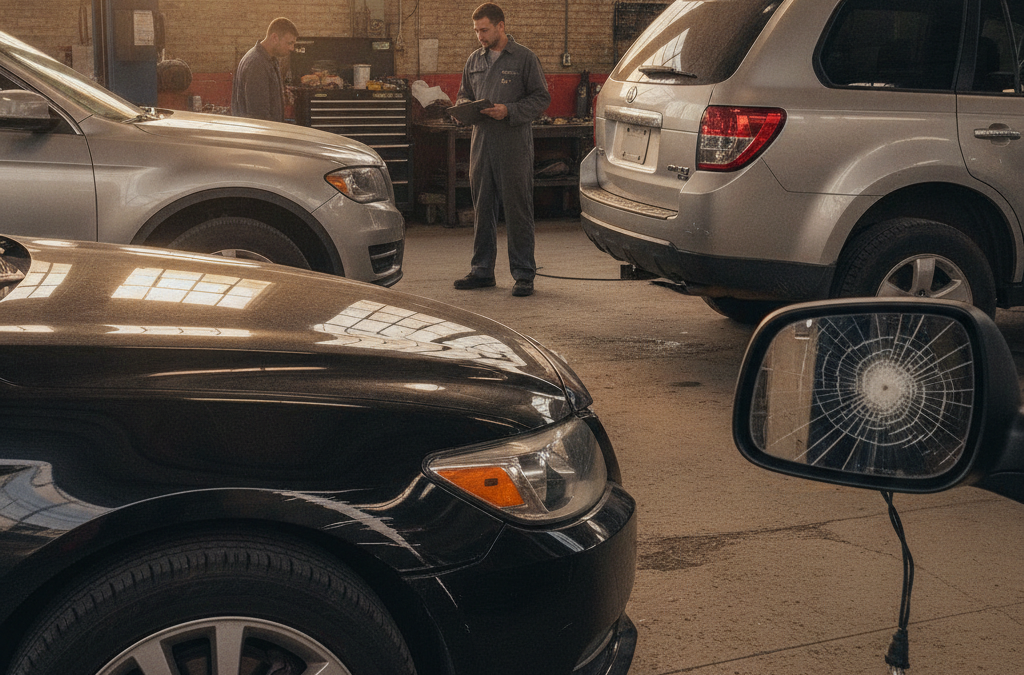
What Bronx and Long Island Drivers Should Know About Getting a Car Repaired When the Damage Is Mostly Cosmetic
If your car got scraped in a parking lot on Fordham Road, backed into at a strip mall out on Long Island, or kissed a guardrail somewhere along the Cross Bronx Expressway — and it’s still driving fine — you might be tempted to let it go. It’s just cosmetic, right? Maybe. But “mostly cosmetic” damage is one of the most misunderstood categories in auto body repair, and the choices you make in the days after the incident can affect your wallet, your insurance, and even the resale value of your car more than you’d expect. Here’s what you actually need to know.
What “Cosmetic” Damage Really Means — and What It Doesn’t
Cosmetic damage is damage that affects how your car looks without obviously affecting how it drives. We’re talking about deep scratches, paint scuffs, dented bumpers, cracked side mirrors, door dings, and chipped paint. The car runs. The wheels track straight. You don’t hear anything grinding.
But here’s what a lot of people don’t realize: cosmetic damage isn’t always only cosmetic. A dented bumper, for example, may look like just a surface problem — but modern bumpers are designed to protect crumple zones and sensor systems underneath. A paint scratch that cuts through to bare metal can start rusting within days if left untreated, especially in a wet climate like New York’s. And a cracked mirror housing might be covering a broken mirror adjustment motor or blind-spot sensor — which matters a great deal for safety on the BQE or any New York City highway.
None of this means you need to panic. It just means you should get eyes on it before you decide it’s nothing.
Should You File an Insurance Claim for Minor Damage?
This is the question most drivers wrestle with, and the honest answer is: it depends. If the damage is limited — a small scratch, a minor door ding with no broken parts — paying out of pocket can make more sense than filing a claim and potentially affecting your premium. But if the repair involves repainting a panel, replacing a bumper cover, or fixing a sensor, the cost adds up faster than most people expect.
The smartest move is to get a free, itemized estimate first — before you decide anything. That estimate gives you real numbers to work with. If the out-of-pocket cost is well below your deductible, skip the claim. If it’s close to or above your deductible, filing makes more sense. And if another driver caused the damage, you may be filing against their liability insurance anyway, which typically doesn’t affect your own premium.
At S&T Auto Body, we give you that estimate at no charge and with no pressure. You can even submit photos online and get a fast quote without bringing your car in first — which is helpful when you’re trying to figure out your options before committing to anything.
The Paint Matching Problem Nobody Talks About
This is where a lot of drivers who go to the wrong shop end up frustrated. Paint matching sounds simple. It isn’t. Every car’s paint has a factory color code — but that code alone isn’t enough. Paint fades over time. It shifts slightly based on how the car was exposed to sun, salt, and weather. A repair that uses the factory code without accounting for the actual current condition of your car’s paint will leave you with a panel that looks subtly wrong — slightly brighter or flatter than the panels next to it.
Drivers from Riverdale to New Rochelle to Long Island have come to us after getting a quick paint fix somewhere else that left their car looking worse than the scratch did. The repair was technically “done” — but the color didn’t match in natural light, and now a small scuff had turned into a full-panel eyesore.
Proper paint matching takes time, skill, and the right equipment. Our technicians blend color to the existing finish and always review the match in multiple lighting conditions before the job is closed out. Our collision and paint restoration process is built around getting the finish right — not just getting it done fast.
Why This Topic Gets Glossed Over at Other Shops
Here’s a gap worth addressing directly: most auto body shops — including several local competitors — either treat cosmetic repairs as low priority or push you toward full panel replacements when a skilled repair could have done the job for less. Some shops underbid the paint work to win the job and then cut corners on the blend. Others don’t have technicians trained specifically in color matching and hope you won’t notice.
None of that is how we operate. We’ve been doing this in the Bronx since 1975. We’re I-CAR Gold Class certified, which means our technicians go through ongoing training in exactly these kinds of repairs — not just the big structural jobs, but the detail work that determines whether a car looks right when it leaves the shop. If we’re doing a cosmetic repair, we’re doing it completely.
When Cosmetic Damage Requires More Than You Think
There are a few scenarios where what looks cosmetic can require a more involved repair:
- Bumper damage on newer vehicles: Many bumpers on 2018-and-newer vehicles house parking sensors, backup cameras, or adaptive cruise control radar. Replacing the bumper cover without recalibrating those systems is an incomplete repair — and potentially a safety issue.
- EV and Tesla body panels: Electric vehicles often use aluminum or mixed-material body panels that require specific repair procedures. A standard body shop may not be equipped to handle them. If you drive a Tesla or another EV and you’re dealing with cosmetic panel damage, make sure the shop is certified. See our EV and Tesla body repair page for more on what that involves.
- Door damage near window seals: Even minor door panel damage can affect weather sealing if the door frame is slightly bent. Left unaddressed, this leads to wind noise, leaks, and long-term interior damage.
- Luxury vehicles: Paint on Mercedes-Benz, Lexus, and similar vehicles requires manufacturer-approved materials and processes to maintain finish quality and warranty coverage. A generic paint job won’t meet that standard.
What to Expect for Cost and Turnaround on Cosmetic Repairs
Timelines and costs vary depending on the extent of the damage, but here’s a realistic general picture:
- A minor scratch or scuff with no panel replacement: typically one to two days once parts and paint are confirmed
- A bumper replacement with paint matching and sensor recalibration: two to four days depending on parts availability
- A door panel repaint with proper blending: usually two to three days
Drivers out in Queens or on Long Island sometimes ask if it’s worth making the trip to the Bronx for what feels like a minor job. Our answer is: get the estimate first. If you can send photos and get a quote upfront, you’ll know exactly what you’re dealing with before you commit to anything. We work with Geico and most major insurers as a preferred shop, which also streamlines the process significantly if you’re filing a claim.
Frequently Asked Questions
Is cosmetic damage worth fixing if I’m planning to sell the car?
Yes, in most cases. Visible scratches, mismatched paint, or a dented bumper will show up in any pre-sale inspection and reduce the car’s value. A proper cosmetic repair — done by a certified shop — often returns more in resale value than it costs.
What if the damage is on a leased vehicle?
Leased vehicles are subject to end-of-lease inspection, and cosmetic damage above a certain threshold (usually more than a few inches) will result in wear-and-tear charges. It’s often cheaper to have it repaired before you turn the car in.
Can I just touch up a paint scratch myself?
Touch-up paint from an auto parts store can protect bare metal from rusting in the short term, but it won’t match your car’s finish and will be obvious up close. It’s a temporary measure at best, not a repair.
How do I know if my bumper sensors are still working after a fender bender?
The clearest way is to have the shop run a diagnostic scan of your vehicle’s safety systems after any bumper impact, even a minor one. If a sensor was displaced or damaged, your dash warning lights may not always catch it right away.
Does Yonkers or New Rochelle have different requirements for vehicle inspections related to cosmetic damage?
New York State vehicle inspections don’t specifically fail cars for cosmetic damage — but if cosmetic damage affects a safety system (like a mirror, light, or sensor), that can trigger a failure. The state inspection process is the same across the Bronx, Yonkers, New Rochelle, and all of New York.
Get a Free Estimate Before You Decide Anything
You don’t have to figure this out alone. If your car has cosmetic damage — a scratch, a dented bumper, a scuffed panel — the first step is simply knowing what it actually takes to fix it. No guessing, no pressure, no commitment required.
S&T Auto Body has been serving drivers across the Bronx and the surrounding area since 1975. We’re family-owned, I-CAR Gold Class certified, and we work directly with Geico and other major insurers to make the claim process as painless as possible. Whether you’re in Fordham, driving in from Long Island, or just trying to figure out what that parking lot scrape is going to cost — we’ll give you a straight answer. Contact us today to request your free estimate.