What Bronx and Manhasset Drivers Should Know About Getting a Car Repaired When the Shop Recommends Repairs Your Insurance Won’t Cover
Your insurance company approved the claim, the check is on the way — and then your body shop calls and says there’s more wrong with the car than what the adjuster approved. Maybe there’s damage behind the bumper the photos didn’t show. Maybe the insurer wants to use an aftermarket part that the shop says isn’t the right fit. Maybe they’re only willing to pay for a partial repair that doesn’t actually make the vehicle safe. This situation happens all the time in the Bronx and across Nassau County — including drivers coming in from Manhasset and other parts of Long Island. And it’s one of the most stressful places to find yourself after an accident. Here’s what’s actually going on and what you can do about it.
Why There’s Often a Gap Between What Insurance Approves and What the Car Needs
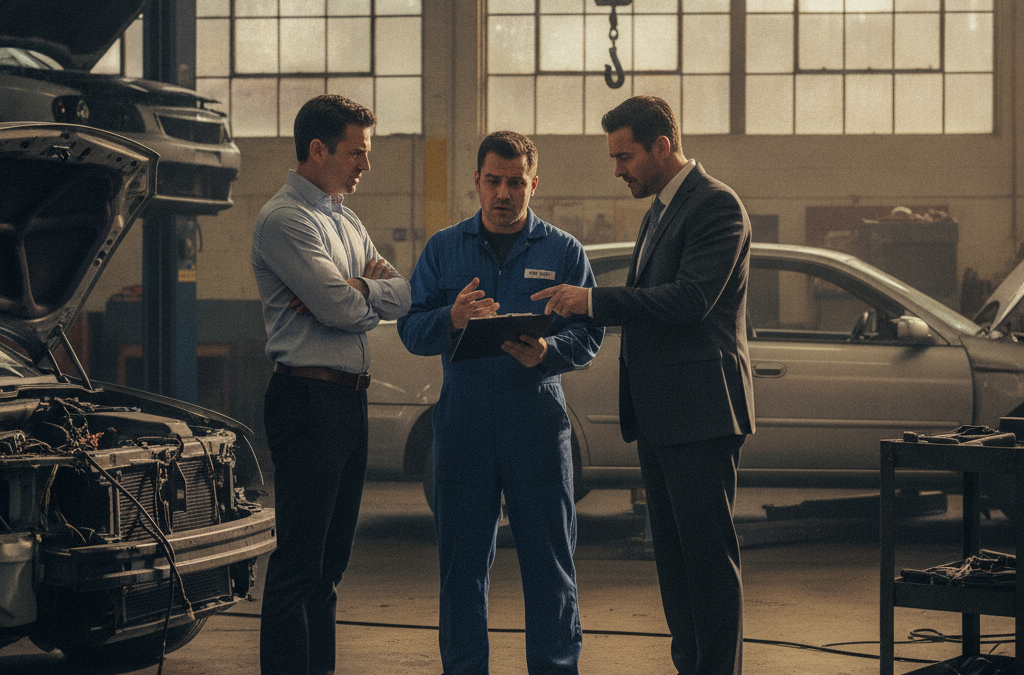
Insurance adjusters work fast. They’re looking at photos, checking databases, and estimating costs based on what they can see. A certified body shop technician is looking at the actual car — with it up on a lift, panels removed, and proper diagnostic equipment connected. What they see are often two very different pictures.
Hidden damage is incredibly common after collisions in dense urban traffic. A fender-bender on the Cross Bronx Expressway that looks minor from the outside can involve bent subframe components, damaged sensors, or torn wiring that simply doesn’t show up in an insurance photo estimate. That kind of damage only becomes visible once the repair work starts.
When that happens, a reputable body shop will pause the job, document the additional damage with photos and written notes, and file what’s called a supplemental claim — a request for the insurer to cover the newly discovered work. This is a completely normal and legal part of the claims process. What matters is whether your shop is handling it correctly.
What a Supplemental Claim Is and How It Works
A supplemental claim is simply an amendment to your original claim. Your body shop submits documentation showing the additional damage found during the repair process — photos, parts lists, labor hours — and asks the insurer to approve additional funds to cover it.
Insurers are legally required to respond to supplemental claims, but they don’t always approve everything. Sometimes they’ll approve part of it. Sometimes they’ll push back and ask for more documentation. And sometimes — especially with larger insurance companies — they’ll stall or offer a lower figure hoping you’ll just accept it.
This is where having a certified, experienced shop in your corner makes a real difference. At S&T Auto Body, our I-CAR Gold Class certified technicians document everything thoroughly — not just to protect themselves, but to protect you. When we find additional damage, we walk you through exactly what it is and why it needs to be repaired. You should never be left guessing why something costs what it does.
When the Insurer Says No: Your Actual Options
If the insurer refuses to cover certain repairs, you’re not necessarily stuck. Here are the realistic paths forward:
- Request a re-inspection. Ask the insurer to send a physical adjuster to look at the car in person at the shop. Photos miss things. A live inspection often changes the outcome.
- Get a second written estimate. A detailed itemized estimate from a certified shop carries weight. If the shop’s documentation is solid and the insurer’s position is based on a photo desk review, that contrast can help move things along.
- File a formal dispute or complaint. New York State’s Department of Financial Services handles insurance complaints. If you believe your insurer is acting in bad faith or refusing covered repairs without a reasonable basis, you have the right to file. It’s not as complicated as it sounds, and sometimes the act of filing gets insurers to reconsider.
- Pay the difference out of pocket. This isn’t the answer anyone wants to hear, but sometimes the gap is small and it’s faster to just close it and get your car back. We’ll always tell you honestly whether something is essential to safety or structural integrity versus cosmetic.
- Decline the uncovered repair and understand the trade-off. Sometimes a repair your insurer won’t cover is real but not urgent. We’ll always give you an honest assessment so you can make that call with full information.
The OEM Parts Problem: Why This Comes Up More Than You’d Think
One of the most common reasons a shop’s recommendation and an insurer’s approval don’t line up is parts. Specifically, whether the insurer will pay for OEM (original manufacturer) parts versus aftermarket or salvage parts.
For drivers of newer vehicles, vehicles still under manufacturer warranty, or brand-specific certified vehicles — including Mercedes-Benz, Tesla, Subaru, Toyota, and others — this matters a great deal. Using non-OEM parts can void portions of your manufacturer warranty and may not meet the safety specifications the car was designed around.
Many insurers default to approving aftermarket parts because they’re cheaper. But many manufacturer certifications — including the ones we hold at S&T Auto Body — require OEM parts as a condition of certification. If your insurer is pushing back on parts, ask your shop to put in writing which parts are OEM and why they’re required. That documentation is your best tool for pushing back.
Drivers coming in from Manhasset, Yonkers, and White Plains with newer luxury or certified vehicles run into this issue regularly. It’s not unique to any one insurer, but Geico, as a preferred partner of ours, tends to work through supplemental claims and parts disputes more efficiently than many others when the documentation is in order.
What to Watch Out for in a Shop That Handles These Situations Poorly
Not every shop advocates for you the way they should. Some shops — particularly high-volume operations that prioritize throughput — will simply do what the insurer approved, even if they know it’s not sufficient. They don’t want the friction of a supplemental claim or a dispute.
That’s not how a shop that’s been part of the Bronx community for fifty years operates. When we find damage the insurer missed, we tell you. We document it. We fight for the right repair. If there’s a gap we can’t close, we’ll tell you exactly what it is and what it means for your car — not just what it means for our invoice.
Red flags to watch for in any shop:
- They start repairs without giving you an itemized written estimate
- They don’t tell you what the insurer approved versus what they’re actually doing
- They won’t explain why a part or repair is or isn’t necessary
- They pressure you to sign off quickly without reviewing the final repair order
You can learn more about what a thorough collision repair process looks like so you know what questions to ask before you leave your vehicle anywhere.
Frequently Asked Questions
Can my body shop file a supplemental claim without me doing anything?
Yes. The shop typically handles the supplemental claim directly with the insurer and keeps you informed. You may need to sign off on certain steps, but the shop does the documentation and negotiation. Ask your shop upfront how they handle this process.
Am I responsible for repairs the insurer won’t cover?
Ultimately, yes — the vehicle is yours. But you have options before accepting that. Push for a re-inspection, ask the shop to escalate the supplemental claim, and consider filing a complaint with New York State’s Department of Financial Services if you believe the denial is unreasonable.
Does using a certified shop make it easier to fight insurance disputes?
It genuinely does. Certified shops have detailed documentation standards and trained technicians who can back up every line item on an estimate. That credibility carries weight when disputing an insurer’s position.
What if I just want to skip the uncovered repair and pick up my car?
That’s your right. A good shop will let you know clearly what’s being left unrepaired and what the safety or structural implications are, so you can make an informed decision. Never feel pressured to approve work you don’t understand — but also don’t skip something critical just to avoid a conversation with your insurer.
Does S&T Auto Body work directly with insurance companies on supplemental claims?
Yes. We work with Geico as a preferred shop and handle supplemental claim documentation for most major insurers. Our goal is always to get your car repaired correctly and to make that process as smooth as possible for you.
Get a Free Itemized Estimate Before You Commit to Anything
If you’re already in the middle of an insurance dispute, or if you want to bring your vehicle to a shop that will document everything properly from the start, we’re here to help. S&T Auto Body has been serving drivers across the Bronx and the surrounding area — including families coming in from Nassau County, Westchester County, and Long Island — since 1975. We know how to work through these situations, and we’ll always be straight with you about what your car needs and why.
Reach out to our team through our contact page to request a free estimate or ask us anything about your repair or claim. You don’t have to figure this out alone.