What Bronx and Riverdale Drivers Should Know About Getting a Car Repaired When You Have a High-End Audio, Navigation, or Electronics System Installed
If you’ve been in a collision and your car has a custom sound system, an aftermarket navigation unit, upgraded speakers, or any kind of specialty electronics, yes — that adds a layer of complexity to your repair. And most body shops in the Bronx, Manhattan, or Westchester aren’t going to flag this upfront unless you ask. The good news: knowing what to do before you drop your car off can save you a serious headache — and potentially thousands of dollars.
Why Aftermarket Electronics Complicate a Collision Repair
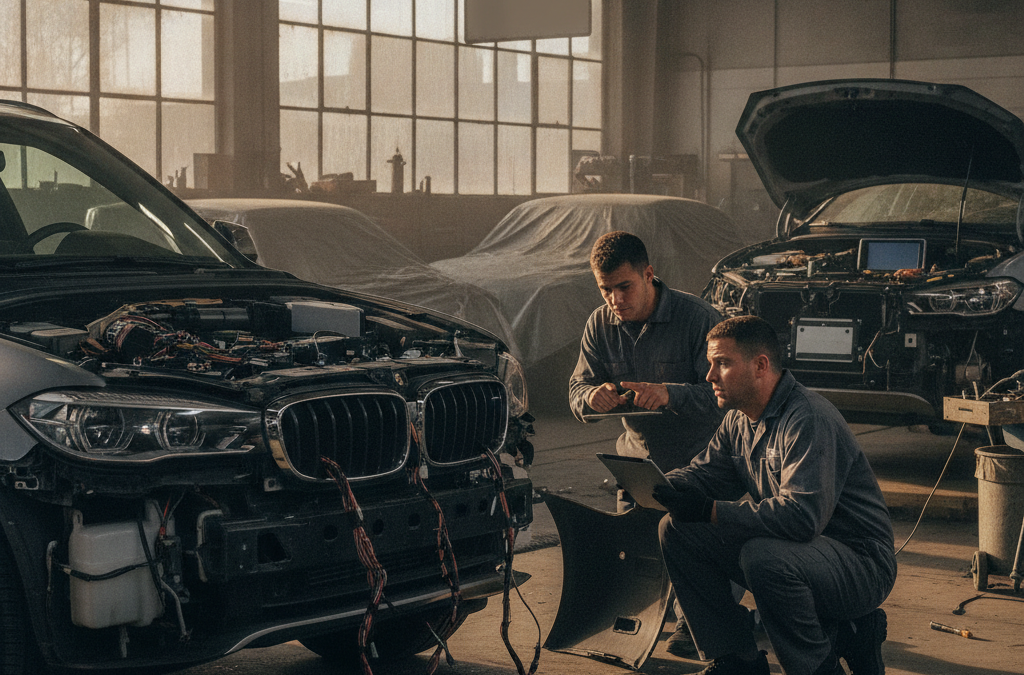
Here’s the thing most people don’t think about until it’s too late. When a body shop does structural or panel work on your vehicle, they’re often removing interior trim pieces, door panels, dashboards, and sometimes portions of the headliner or rear deck. If you have aftermarket equipment tucked behind any of that — and a lot of drivers do — the shop needs to know about it before they start pulling things apart.
Custom installs vary widely. Some are clean, professional jobs done by a certified audio shop. Others are DIY work that’s technically functional but fragile. Either way, if a technician doesn’t know what’s back there, components can be disconnected, damaged, or simply lost in the shuffle. We’ve seen it happen. A driver in Riverdale brought in a vehicle for rear-end damage, and it wasn’t until pickup that anyone noticed the amp had been disconnected and not reinstalled. Stuff like that is avoidable — but only if you communicate upfront.
What to Tell Your Body Shop Before the Repair Starts
Before you hand over your keys, take a few minutes to walk the shop through what you have installed. You don’t need to be technical about it — just be specific. Here’s what matters:
- What you have: head unit, amplifiers, subwoofers, custom speakers, dash cams, aftermarket GPS or navigation, backup cameras, remote start systems, radar detectors, or any combination of the above
- Where it’s located: trunk, under seats, behind panels, in the dash, hardwired into the fuse box
- Whether it was professionally installed: if yes, do you have documentation or a receipt from the installer?
- Approximate replacement value: this matters for your insurance claim
A shop that takes your repair seriously — like the kind of family-owned operation that’s been doing this work in the Bronx for 50 years — will note all of this in writing before touching the vehicle. That written record protects both of you.
The Insurance Angle: What’s Actually Covered?
This is where a lot of drivers get frustrated, and honestly, it’s because insurance policies treat aftermarket electronics inconsistently. Your standard comprehensive or collision policy typically covers factory-installed equipment. Aftermarket additions are a different story.
Some policies include a blanket allowance for aftermarket electronics — often in the $1,000–$1,500 range — while others exclude them entirely unless you purchased a separate endorsement. If you paid serious money for a custom audio setup or a high-end navigation system, it’s worth pulling out your policy declarations page right now and checking what you actually have.
When you file a claim — whether you’re going through Geico, Allstate, Progressive, or any other major insurer — document everything before the car goes into the shop. Take photos or video of the interior, specifically the equipment that’s installed. If you have receipts from the original purchase or installation, gather those too. A thorough itemized estimate from the body shop should account for reinstallation labor, not just the body work itself.
What a Qualified Shop Should Do Differently
This is the content gap that most collision repair websites in this area simply don’t address. You can browse through the websites of plenty of local competitors and find detailed explanations of paintless dent repair or frame straightening — but almost nothing about how they handle vehicles with aftermarket electronics. That omission matters to drivers who’ve invested real money in their setups.
A qualified shop should do the following when your vehicle has custom electronics:
- Document the existing installation with photos before any disassembly begins
- Identify which panels or components will be disturbed during the repair
- Either reinstall the equipment themselves or coordinate with a certified audio/electronics installer
- Test all electronics after reassembly — before you pick up the car
- Include reinstallation labor in the written estimate so there are no surprises
Our collision repair process at S&T Auto Body includes a thorough pre-repair documentation step precisely for this reason. We want to know what’s in your vehicle before we start, and we want everything working when you drive out.
EVs and Luxury Vehicles Add Another Layer
If you drive a Tesla, Mercedes-Benz, or another EV or luxury vehicle, the electronics situation gets even more nuanced. These vehicles have sophisticated factory systems — integrated infotainment, over-the-air update capability, driver assistance sensors — that can interact unpredictably with aftermarket additions. If your Tesla has had any third-party electronics installed, a certified EV repair shop needs to know that before they begin diagnostic work. The same goes for a Mercedes with a custom multimedia setup.
Working with a manufacturer-certified shop means the technicians understand the factory architecture of your vehicle, which makes it easier to identify what’s OEM and what’s been added. You can learn more about our approach to EV and Tesla body repair if that’s relevant to your situation.
For Drivers in Riverdale, Yonkers, and Westchester
Drivers in Riverdale and the surrounding Westchester County communities — Yonkers especially — tend to invest more in their vehicles than the average driver. It’s a demographic that skews toward late-model vehicles, luxury makes, and yes, premium audio and technology upgrades. If that sounds like you, don’t assume any body shop is going to automatically protect that investment. Ask directly. And if they don’t have a clear answer about how they handle aftermarket electronics, that tells you something.
Frequently Asked Questions
Will my insurance cover my aftermarket sound system if it’s damaged in a collision?
It depends on your policy. Standard collision coverage often has limited coverage for aftermarket electronics. Check your declarations page for any aftermarket equipment endorsements. Document everything before the repair begins, and include your receipts when you file the claim.
What if the shop damages my custom audio setup during the repair?
If the shop failed to document the existing installation and the equipment is damaged during disassembly, you have a legitimate dispute. This is why pre-repair documentation in writing — and choosing a shop that takes this seriously — matters. At S&T Auto Body, we photograph the interior before any work begins on vehicles with aftermarket electronics.
Do I need a separate audio installer, or can the body shop handle reinstallation?
It depends on the complexity of the install. A straightforward head unit or speaker setup can often be reconnected by an experienced technician. A complex multi-amplifier system with custom wiring may require coordination with a certified audio shop. A good body shop will tell you honestly which situation applies to your vehicle.
Will aftermarket electronics void my vehicle warranty or affect a certified repair?
Some aftermarket additions can create complications with manufacturer warranties, especially on EVs. If your vehicle is still under factory warranty, consult your dealer before adding aftermarket electronics. When it comes to the collision repair itself, a certified shop will work with the vehicle as-is and flag any concerns before starting.
How do I get an estimate that accounts for my aftermarket equipment?
Contact the shop directly and describe what’s installed before you bring the vehicle in. A reputable shop will incorporate the documentation and reinstallation of your electronics into the written estimate. At S&T Auto Body, you can request a free estimate online or over the phone — just let us know upfront what you have in the vehicle.
Talk to a Shop That Pays Attention to the Details
At S&T Auto Body, we’ve been repairing vehicles in the Bronx since 1975. We’re not a chain, and we don’t process cars like they’re on an assembly line. When you bring us a vehicle with custom electronics, we take note of it, we document it, and we make sure it leaves the shop the way it came in — or better. If you’re dealing with a collision repair and you’ve got aftermarket equipment you’re worried about, give us a call at (718) 220-2201, or reach out through our contact page to get started with a free, no-obligation estimate. We’ll walk through it with you before anything gets touched.