What Bronx and Long Island Drivers Should Know About Getting a Car Repaired When the Shop Discovers Hidden Damage During Repairs
Yes, it happens more often than most drivers realize — and it’s not a scam or a shakedown. When a Bronx-area body shop opens up a damaged vehicle and finds more than what showed up on the original estimate, that’s called hidden or secondary damage. It’s one of the most misunderstood parts of the collision repair process, and it’s also one of the biggest sources of frustration for drivers who weren’t expecting the call. The good news is that if you’re working with a certified shop and a legitimate insurance claim, there’s a clear process for handling it — and it shouldn’t come out of your pocket beyond what you’ve already agreed to pay.
Why Hidden Damage Happens — And Why It’s So Common in Urban Collision Repairs
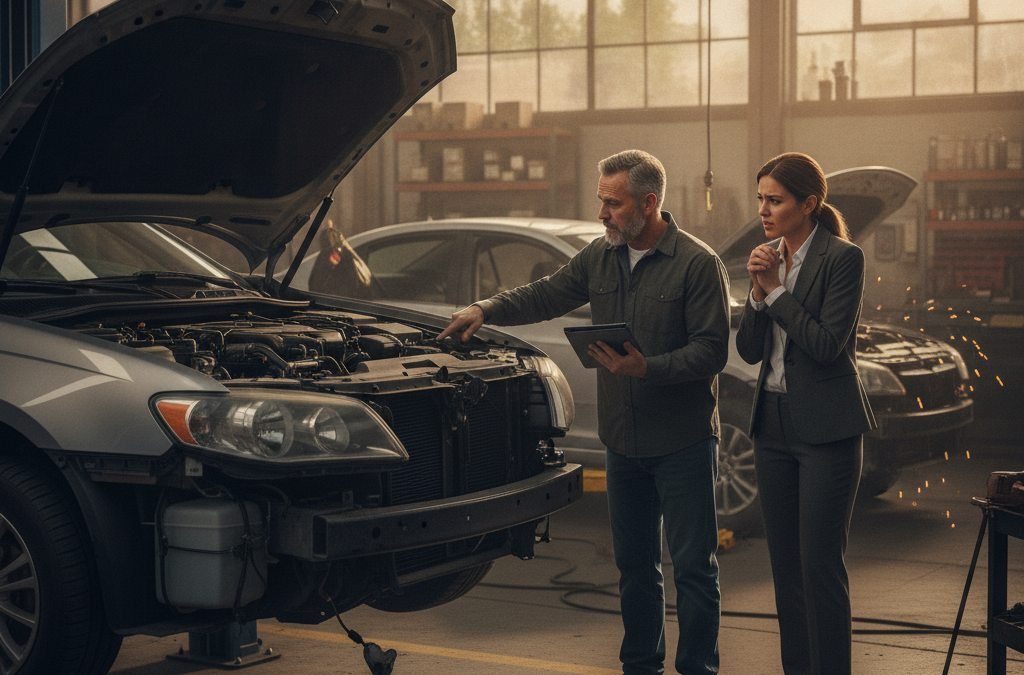
Here’s the reality of collision damage: what you can see on the outside of a car rarely tells the full story. A rear-end hit on the Cross Bronx Expressway that crumples your bumper cover and trunk lid might look straightforward from the outside. But underneath, there could be damage to the trunk floor pan, the rear rails, the spare tire well, or even the fuel system components — none of which is visible until a technician starts disassembling the vehicle.
This is especially true for modern vehicles. Today’s cars are built with crumple zones and energy-absorbing structures specifically designed to protect occupants by absorbing and redirecting impact force. Those structures do their job — which means the collision energy goes somewhere, often deep into parts of the car that aren’t immediately obvious from a visual inspection or even a basic diagnostic scan.
In dense urban traffic environments like the Bronx, Queens, or Long Island’s congested parkways, rear-end and side-impact collisions are among the most frequent types of accidents. That also means hidden secondary damage is a routine discovery for experienced shops — not an exception.
What a Supplement Claim Is and How It Works
When a shop finds additional damage beyond the original estimate, they file what’s called a supplement claim with your insurance company. This is a formal request to revise the approved repair scope to include the newly discovered damage. A reputable shop will document the hidden damage thoroughly — with photographs, written notes, and a revised line-item estimate — before contacting the insurer.
Your insurance company will then send an adjuster to verify the damage, or in many cases, review the documentation remotely. Once approved, the supplement adds the additional cost to the total claim. As the policyholder, your deductible stays the same — you don’t pay more out of pocket just because the repair scope grew.
This is exactly why working with a shop that has direct relationships with major insurers matters. At S&T Auto Body, we’re a Geico preferred shop and we work regularly with all the major carriers serving NYC-area drivers. We know how to document and submit supplement claims efficiently, which keeps your repair moving without unnecessary delays while we wait on adjuster approvals.
What Happens If You’re at a Shop That Isn’t Handling This Properly
This is a gap that few local competitor sites address head-on, and it’s worth being direct about. Not every shop handles supplement claims the same way. Some shops will call you with a vague update — “we found more damage, it’s going to cost more” — without giving you a clear breakdown of what was found, what it costs, and whether it’s been submitted to your insurer yet. That’s a problem.
A shop that doesn’t document hidden damage properly before beginning additional repairs may end up in a dispute with your insurance company — and that dispute can stall your car sitting on a lift for days or longer. Worse, some shops will start repairing hidden damage without insurer approval, then present you with an out-of-pocket bill at pickup that you weren’t expecting.
A properly certified, I-CAR Gold Class shop knows the documentation protocol and follows it every time. Our I-CAR Gold Class certification means our technicians are trained to repair-industry standards — and that includes how we identify, photograph, estimate, and communicate about damage that wasn’t part of the original scope.
What You Should Do When the Shop Calls With News of Hidden Damage
Getting that call mid-repair is stressful. Here’s how to handle it calmly and protect yourself:
- Ask for a written itemization. Before you say yes to anything, ask the shop to send you the updated estimate in writing. You should be able to see exactly what was found, which parts are affected, and what the additional labor and parts costs are.
- Confirm the supplement has been filed. Ask the shop directly: “Have you already submitted this to my insurance company?” If they haven’t, ask them to do so before proceeding.
- Ask whether OEM or aftermarket parts are being used. This matters more with hidden structural damage than cosmetic repairs. For structural components, OEM parts are typically required by manufacturer certification standards — and at S&T Auto Body, we follow those standards across all the brands we’re certified to repair.
- Don’t panic about timelines. A supplement adds a few days to the process in most cases, not weeks. Most major insurers turn these around relatively quickly when the documentation is clean.
Why Certified Shops Handle Hidden Damage Better for Tesla, Mercedes, and Other Specialty Vehicles
If you drive a Tesla, a Mercedes-Benz, or any vehicle that requires manufacturer-certified repair, hidden damage is an even more significant issue. These vehicles use aluminum structures, high-strength steel, and in the case of EVs, battery systems and high-voltage components that require specialized inspection and repair procedures.
A generic shop that hasn’t been trained on these platforms may not even know what to look for when disassembling a damaged Tesla or Mercedes. They might miss damage to a battery enclosure, a structural aluminum node, or a sensor mount — all of which can have serious safety consequences if left unaddressed. Our certified EV and Tesla repair services include thorough post-disassembly inspection that accounts for the specific architecture of each vehicle platform.
Long Island drivers who’ve brought their vehicles to a local dealership body shop or a generic chain after a collision have told us stories of missed structural damage that only showed up later. That’s not a knock on anyone — it’s just the reality that brand-specific training changes what a technician looks for and knows how to find.
Timeline and Cost Expectations When Hidden Damage Is Found
It’s hard to give precise numbers without knowing the vehicle and the damage, and we’ll never invent figures for you here. What we can tell you is this: the supplement process typically adds anywhere from a few days to about a week to a repair timeline, depending on how quickly your insurer responds and whether parts need to be ordered. We communicate throughout — you’ll never be left wondering what’s happening with your car.
Drivers coming to us from Yonkers, White Plains, and across the Long Island and Queens corridors often tell us the biggest relief is simply knowing someone is managing the insurance communication on their behalf. That’s part of what we do at S&T Auto Body, and it’s been part of how we’ve operated for more than 50 years.
Frequently Asked Questions
Does my deductible go up if the shop finds hidden damage?
No. Your deductible is set when you file the initial claim. A supplement expands the repair scope and the total claim value, but you don’t pay a second deductible. Your out-of-pocket cost stays the same.
Can I refuse the additional repairs if I don’t want to deal with the insurance process?
You can, but it’s not advisable for structural or safety-related damage. Cosmetic hidden damage is one thing — but if the shop has found damage to your frame, subframe, or any safety system, leaving it unrepaired creates real risk. Ask the shop to walk you through exactly what they found and why it matters before making that call.
What if my insurance company denies the supplement?
This is uncommon when damage is properly documented, but it happens. At S&T Auto Body, we advocate for our customers in these situations. We can provide additional documentation, request a reinspection, or help you escalate within your insurer’s process. You’re not on your own.
How do I know the shop isn’t adding damage that wasn’t really there?
Request photographs of the hidden damage before any additional repairs begin. A trustworthy shop will have no problem showing you exactly what they found and where. Our team walks customers through this whenever it’s requested.
Does this happen a lot with Bronx-area collisions specifically?
Urban collisions — especially rear-ends, side swipes, and parking structure impacts — are particularly prone to hidden damage because of the angles and speeds involved. It’s one of the most common situations we handle at our shop on 3rd Avenue, and we’ve developed a streamlined process for getting customers through it without added stress.
Get a Free Estimate and Let Us Handle the Details
If your car is already in repair and you just got the hidden damage call, or if you’re trying to choose a shop before your vehicle even goes in — we’re here to help. S&T Auto Body has been handling collision repairs for Bronx and NYC-area drivers since 1975. We know how to work with your insurer, document everything correctly, and get your car back to pre-accident condition the right way.
Reach out to us today to request a free estimate or ask us a question. You can submit photos of your vehicle online, call us directly at (718) 220-2201, or stop by the shop at 4632 3rd Ave in the Bronx. We’ll tell you exactly what we see — and exactly what we’ll do about it.