What Bronx and Scarsdale Drivers Should Know About Getting a Car Repaired When You Suspect the Shop Cut Corners
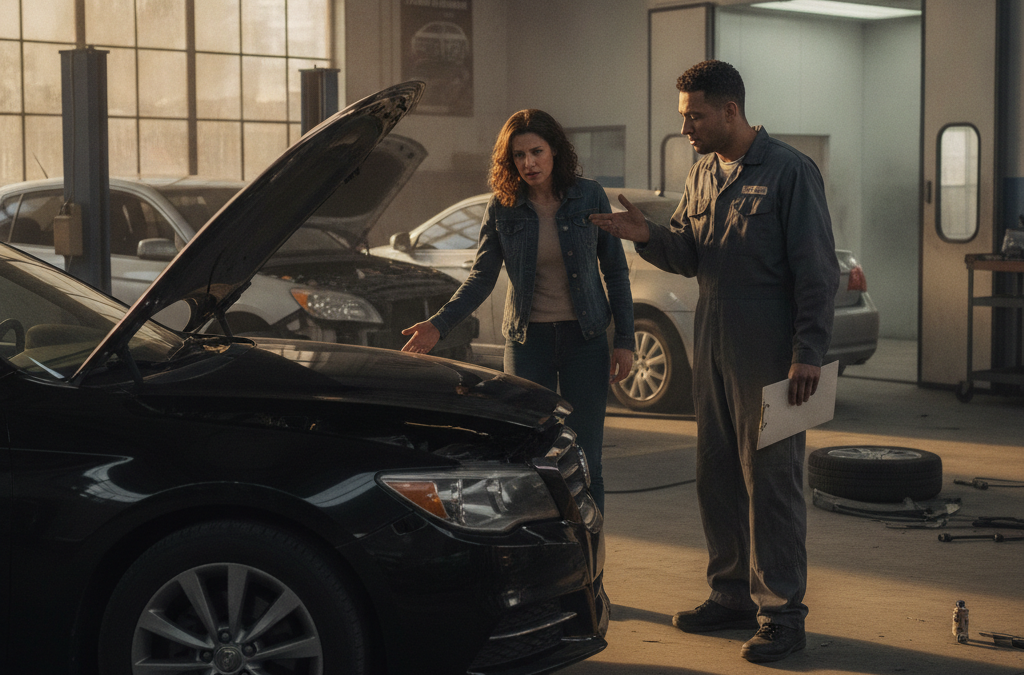
If you picked up your car from a body shop and something felt off the moment you drove away — a panel that doesn’t sit flush, paint that looks slightly different in sunlight, or a door that doesn’t close like it used to — you’re not being paranoid. Substandard collision repair is more common than most drivers realize, and in the New York City area, where insurance timelines are tight and pressure to turn cars around fast is real, shortcuts do happen. Whether you’re in the Bronx, up in Scarsdale, or anywhere in between, you have every right to question the quality of the work done on your vehicle. And you have options.
Why This Happens More Than You’d Think
The NYC metro area has one of the highest collision rates in the country. Dense traffic on the Cross Bronx Expressway, tight parking on side streets, and aggressive urban driving patterns mean body shops around here stay busy year-round. Some shops handle that volume well. Others rush jobs, use cheaper non-OEM parts without telling you, skip required calibrations, or apply paint in ways that look fine under shop lighting but look wrong in daylight.
It’s also worth understanding how insurance pressure plays into this. When a shop is part of a direct repair program and gets paid a negotiated rate by an insurer, there’s sometimes a financial incentive to do just enough — not the full job your car actually needs. That doesn’t mean every preferred shop cuts corners, but it does mean you should know what to look for when you pick up your vehicle.
Warning Signs That the Repair Wasn’t Done Right
You don’t need to be a mechanic to notice most of these. Do a slow walk-around of your car in natural daylight before you drive off — not under the fluorescent lights of the shop floor.
- Uneven panel gaps. The gaps between your hood, doors, fenders, and trunk should be consistent all the way around. If one side looks wider or the lines don’t flow smoothly, something wasn’t aligned correctly.
- Paint that doesn’t match. A repaired panel should blend seamlessly with the rest of your car. If the color looks slightly off in direct sunlight, or the finish has a different sheen or texture, the paint matching wasn’t done right.
- Overspray. Look at trim pieces, rubber seals, and glass edges near the repaired area. Tiny specks of paint where they shouldn’t be are a sign the prep work was rushed.
- Doors or trunk that don’t latch smoothly. If a door required adjustment after a collision and it still feels stiff, loose, or doesn’t close with the same solid sound it used to, the alignment work may be incomplete.
- Unusual noises or vibrations while driving. Wind noise through a seal that wasn’t reseated properly, rattles from a bumper cover that wasn’t secured correctly, or pulling to one side can all indicate unfinished structural or mechanical work.
- Warning lights that weren’t there before. If a check engine light, TPMS alert, or any other dashboard warning appears after a repair, something may have been disconnected or improperly reassembled.
What to Do If You Think the Work Was Substandard
First, don’t panic — and don’t sign anything that says you’re fully satisfied if you’re not. Here’s how to handle it step by step.
Go Back to the Shop — In Writing
Start by returning to the shop and pointing out what you’ve observed. Do this calmly and bring photos you took before pickup if you have them. Ask specifically what work was done on each area you’re questioning. A reputable shop will take your concerns seriously and reinspect the vehicle at no charge.
If they’re dismissive or tell you everything looks fine when you can clearly see it doesn’t, follow up in writing — an email creates a paper trail you may need later.
Request the Repair Documentation
You’re entitled to a complete, itemized breakdown of what was done, what parts were used, and where those parts came from. If the shop used aftermarket or salvage parts without disclosing that upfront, that’s a problem — especially if your insurer paid for OEM parts. In New York, shops are required to disclose non-OEM parts usage on the repair authorization.
Contact Your Insurance Company
If the original repair was paid through an insurance claim, call your insurer and explain the situation. Most major carriers, including Geico, have quality assurance processes that allow them to send a reinspector to evaluate disputed work. The shop may be required to redo the job at no additional cost to you.
Get a Second Opinion From a Certified Shop
This is often the most useful step. Bring the vehicle to a certified collision repair shop — one with documented manufacturer certifications and I-CAR Gold Class trained technicians — and ask for a written evaluation. A trained eye will spot things you might miss, and having it documented gives you real leverage if you need to dispute the original repair.
What Certified Repair Actually Means — And Why It Matters Here
This is a topic that competitors in the area touch on only vaguely, if at all. So let’s be direct about it.
Manufacturer certifications — for brands like Mercedes-Benz, Tesla, Subaru, Ford, Hyundai, and others — aren’t just a wall plaque. They mean the shop has been audited by the automaker, uses brand-approved repair procedures, has invested in the correct tools and equipment, and keeps its technicians trained on that specific vehicle platform. When a certified shop repairs your car, they’re following a documented repair plan, not guessing.
I-CAR Gold Class certification takes it a step further — it means the technicians at that shop are continuously trained on current repair methods across vehicle types, including modern high-strength steel, aluminum structures, and EV platforms. A shop without these credentials isn’t necessarily bad, but a shop with them has made a verifiable commitment to quality that you can hold them to.
If the shop that repaired your car didn’t have relevant certifications for your vehicle make, and the work looks wrong, that’s often why. Certified collision repair isn’t a marketing phrase — it’s a standard with teeth.
Drivers in Westchester and Yonkers: Your Rights Are the Same
Whether you brought your car to a shop in the Bronx, took it to a dealer-affiliated body shop up in White Plains, or used a local shop in Yonkers, your consumer rights under New York State law don’t change. You’re entitled to a written estimate before work begins, disclosure of non-OEM parts, and a completed repair that matches what was authorized. If the shop won’t make it right, you can file a complaint with the New York State Department of Motor Vehicles — they license and regulate auto repair shops statewide.
Frequently Asked Questions
Can I take my car to a different shop to fix what the first shop did wrong?
Yes, you can — but if the repair was insurance-funded, notify your insurer first. They may want to reinspect the original work before authorizing supplemental repairs. Getting a written second opinion from a certified shop first gives you documentation to support your claim.
Does the body shop have to warranty their work?
Reputable shops — and any shop participating in an insurer’s direct repair program — typically offer a warranty on their labor and parts. Ask for the warranty in writing when you pick up your vehicle. At S&T Auto Body, we stand behind our work.
What if my car now has rust or water leaks after the repair?
That’s a serious quality failure. Water intrusion usually means a seal wasn’t properly reseated or a panel wasn’t fit correctly. Document it with photos and go back to the shop in writing immediately. If they don’t address it, escalate to your insurer and the NYS DMV.
Can a second shop tell just by looking whether a previous repair was done to standard?
Often, yes. Experienced technicians can identify misaligned panels, improper welds, incorrect paint application, and missing structural components during a physical inspection. In some cases, a scan tool will reveal calibration errors or fault codes that confirm something was skipped.
If I suspect the shop used cheap parts, how do I find out?
Ask for the itemized parts list from the repair. You can then look up part numbers to confirm whether they’re OEM or aftermarket. If your insurance estimate specified OEM parts and the shop used aftermarket without telling you, that’s a billing discrepancy your insurer should investigate.
We’ll Give You a Straight Answer
At S&T Auto Body, we’ve been doing this work in the Bronx since 1975. We’re a family shop — not a chain, not a franchise — and we’ve built our reputation one honest repair at a time. If you picked up your car somewhere else and something doesn’t feel right, bring it to us. We’ll take a look, tell you exactly what we see, and give you a free, no-obligation assessment so you know where you stand. You deserve to drive away confident — not second-guessing every mile.
Call us at (718) 220-2201 or reach out online to schedule your inspection. We work with all major insurers and are happy to help you document any concerns for a dispute or supplemental claim.